
OP_4: Amir Taaki
Coder & Revolutionist

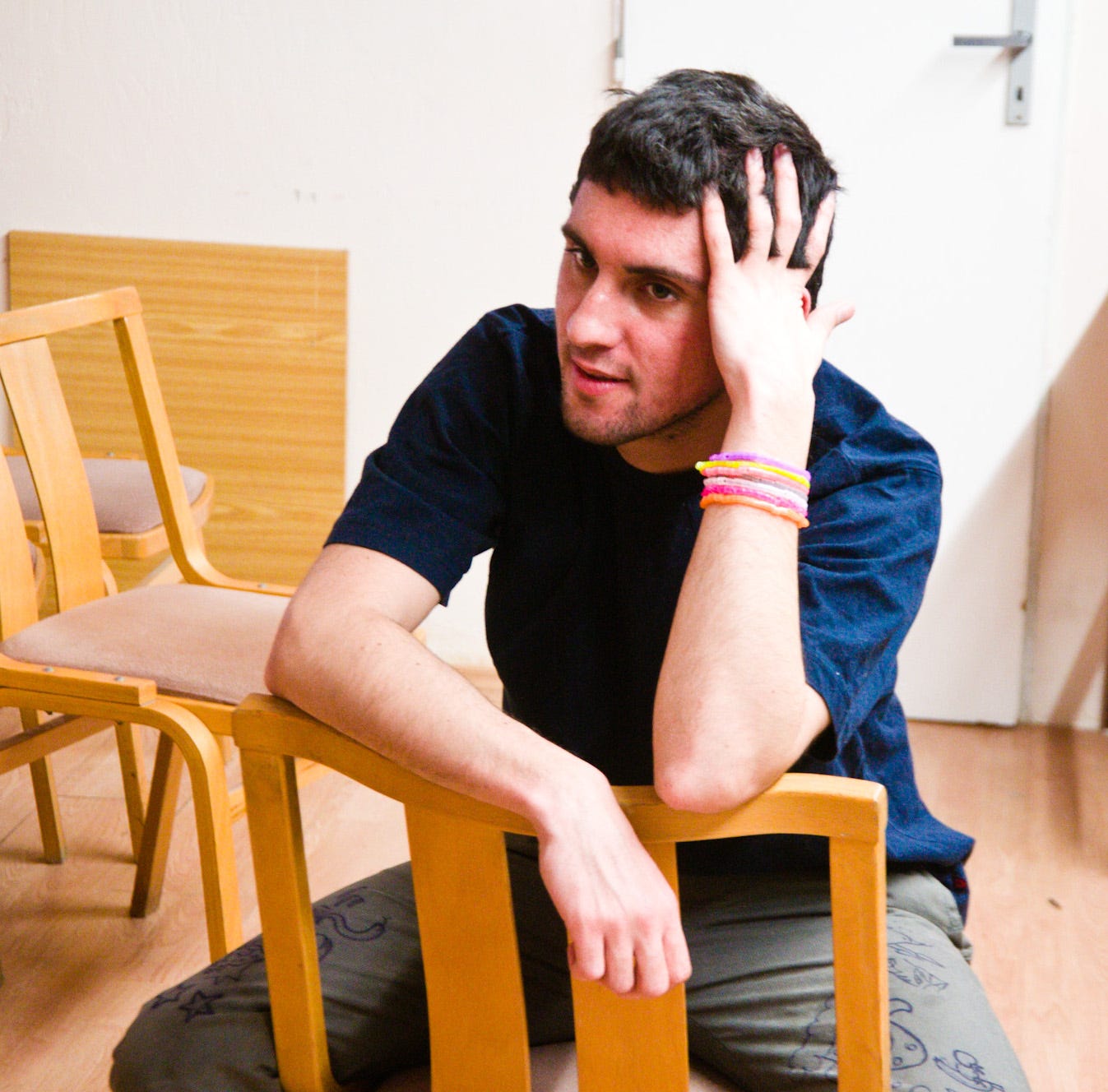
Amir Taaki is an icon of Bitcoin’s early days.
Brilliant developer, contributing to Bitcoin since 2011.
A genuine crypto-anarchist, shocking the public with his views.
Then one day in 2015, he just vanished without a word.
***
Let’s rewind to 2013.
Bitcoin turns 4. That same year, it hits an ATH of $1,242 (historically surpassing gold which closed at $1,240 per ounce).
Early Bitcoin millionaires buy their first Lambos.
Forbes will declare that year as “The Year of Bitcoin.”
At the same time, some of the top Bitcoin developers, by choice, live on the bare minimum in a central London squat known as Bitcoin HQ.
One of those guys is Amir Taaki, a British-Iranian coder.
Age 25. He’ll make the Forbes 30 Under 30 list next year.
Going through photos from back then, you’d find Amir and other devs chilling in nearly bare rooms, lounging on mattresses scattered against the walls, laptops in hand.
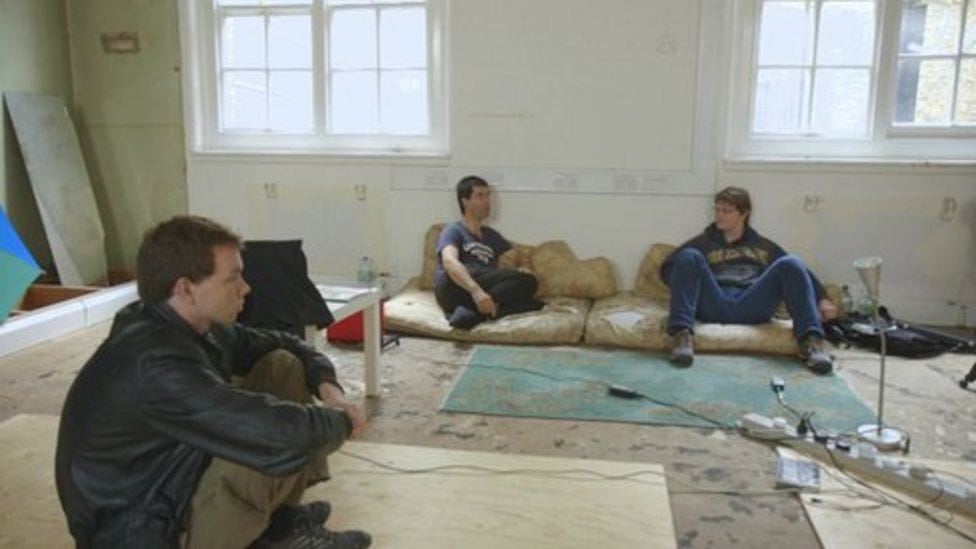
In these conditions, 19-year-old Vitalik Buterin will pitch his project of a "decentralized computer", and Amir Taaki will work on the Dark Wallet.
A wallet that lets you store and use Bitcoins without leaving a trace.
Amir’s beliefs were straightforward:
Free society = the right to trade anonymously.
Personal freedom > state and corporate surveillance.
He’d say: ”the state steals from people through taxes and inflation, which not only contributes massively to state power and war, but it enables them to control who gets to accumulate capital.”
Dark Wallet is a Bitcoin wallet (working as a browser extension what was revolutionary at the time), with a built-in decentralized mixer (first implementation of CoinJoin technology).
Essentially, it’s Tornado Cash of 2013.
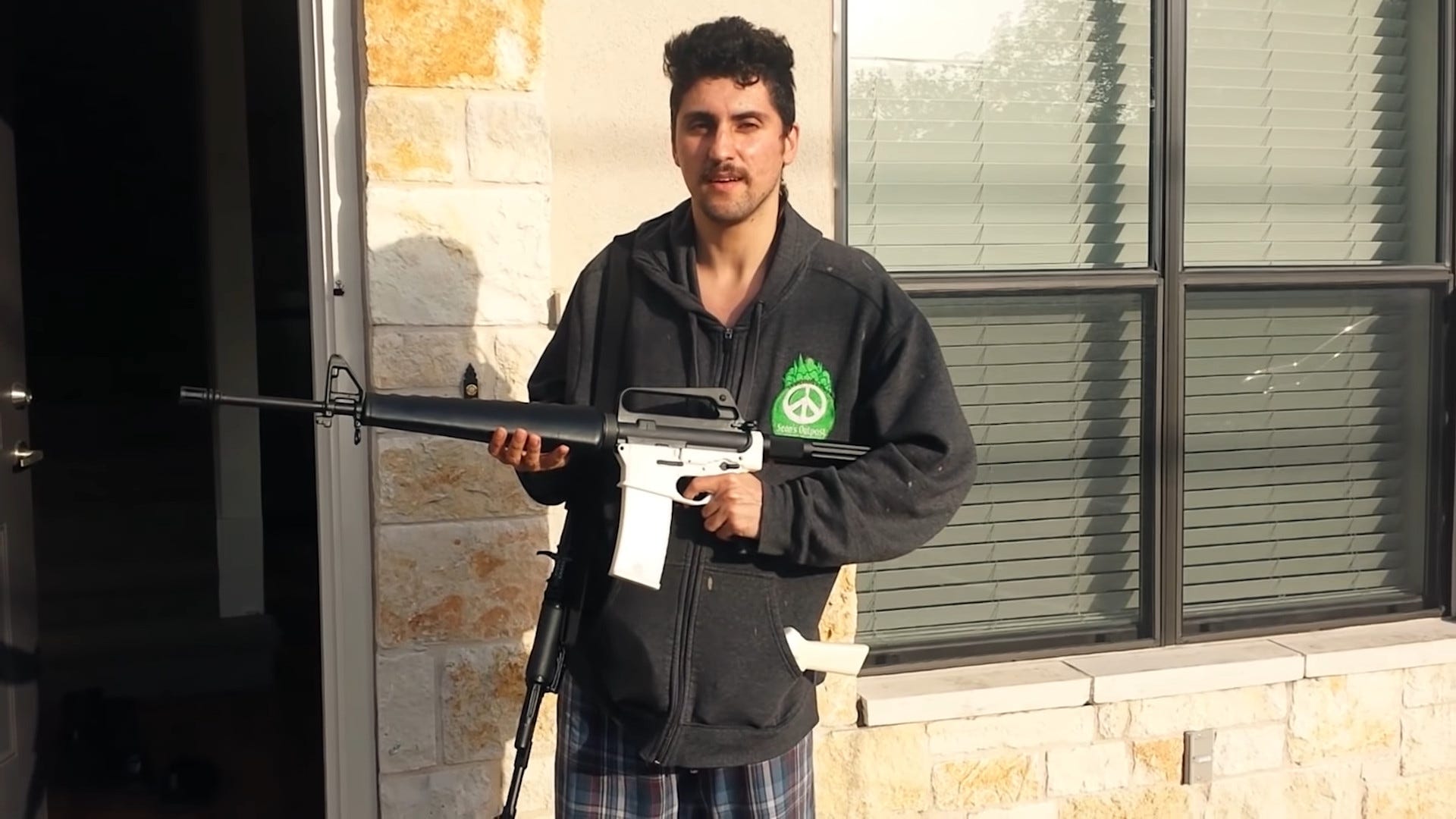
Amir’s business partner, Cody Wilson (the same guy who created Liberator, a 3D-printed gun), promoted Dark Wallet in a Wired interview, calling it “money laundering software.”
Amir didn't see an issue with it.
He got that a tool for anonymous money transfers might be misused.
Just like the internet and free speech.
For him, whether it was used for good or bad was just a part of the narrative, but personal freedom was an inherent right.
Remember, he despised the state (saw government as corrupt), despised corporations (turned down many Silicon Valley jobs and looked down on peers who took them), and despised the allure of opulence and luxury.
He recognized a consumer-driven cycle: people buying overpriced items they don’t need and working harder to afford them. He saw it as a rigged game where only corporations and the state win, capitalizing on tax revenue.
He believed in living better by spending less and gaining more time.
He was all about communities that empower people, help them start businesses, and make individuals independent and self-sufficient.
Such communities, he believed, could self-sustain and take care of their vulnerable members (arguing welfare’s inefficient and just an excuse for the state to snatch more money).
He claimed it was all possible, having seen it firsthand and lived in such communities before.
That was Amir – radical, yet not destructive.
An idealist, believing Bitcoin could genuinely make world a better place.
***
Amir had always been a rebel at heart.
When he discovered computer games as a child, he instantly fell in love.
When he realized that games could be hacked, he fell for programming.
That's how his early career path in game development took shape.
Imagine an exceptional 18-year-old – that's young Amir.
His first job was programming physics systems and 3D frameworks for game developers.
Later on his quick algorithmic thinking led him into online poker rooms.
That's when he first encountered Bitcoin, recalling it as: “suddenly everything connected and it was like, oh wow, fuck, a big fire in my head” (if you've felt this too, you know what he means).
He bought his first Bitcoins in the summer of 2010, at 10c apiece.
From running a private poker room, he swiftly transitioned to building the UK's first exchange, naming it Britcoin (later renamed Intersango).
When the British IRS started their investigation and froze his accounts, he went all-in on Bitcoin.
Some of his accomplishments (all open-source):
Libbitcoin – an asynchronous library for Bitcoin (he essentially rewrote all of Satoshi's code). It remains a maintained and used library.
Electrum – one of the most renowned Bitcoin clients, he was one of its lead developers.
Bitcoin Improvement Proposal (BIP) – he was both an author and proponent of the BIP process. All significant protocol changes follow the procedures he designed in 2011.
Dark Market – a decentralized P2P online marketplace using Bitcoin. Initially built for a hackathon, it was later forked and used for many years by Open Bazaar. Wired magazine dubbed it "a Silk Road the FBI Can Never Seize".
***
Amir was profoundly serious about Bitcoin's development.
He dunked on other developers for spending their resources on "toys" rather than software with real social impact.
He took issue with the Bitcoin Foundation for their perceived attempts to centralize Bitcoin development, which he believed was influenced by the state, Wall Street, and venture capitalists.
Amir on Bitcoin Foundation and VCs: “They’re suits and bullies, trying to remove Bitcoin’s political agenda, but that’s impossible.”
In his view, Bitcoin has been political since Satoshi Nakamoto referenced bank bailouts in the genesis block.
It wasn't intended as a medium to buy your Starbucks coffee.
It wasn't meant to be a trading asset for amateur speculation.
Bitcoin was meant to be the foundation of an entirely new financial system.
According to Amir, any attempt to bridge Bitcoin with the traditional financial system risked Bitcoin meeting the same fate as the conventional, regulated monetary system.
He vocally opposed anyone who disagreed, which put him at odds with former collaborators now associated with the Bitcoin Foundation.
His last pull request to Bitcoin's repository was blocked.
The exact fate of Dark Wallet remains unknown.
What we do know is that the last alpha release was in early 2015 and further work was halted.
Around the same time, Amir Taaki vanished.
For months, even his close friends from Bitcoin HQ had no idea of his whereabouts.
***
Amir Taaki surfaced again on the world's opposite end.
Specifically, in Western Kurdistan (northern Syria), where a civil war with ISIS was ongoing.
The Kurds wanted to rid themselves of ISIS and build their own autonomous state.
The revolution happening there wasn't crypto at all.
But as soon as Taaki heard of it, he was drawn to join.
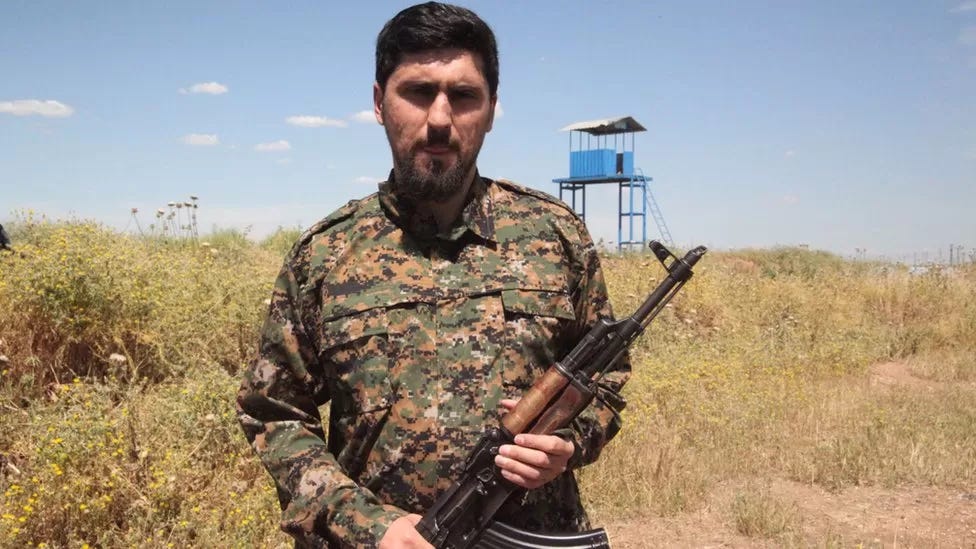
For the first four months, he served in the army – fighting for freedom not with a keyboard, but with an AK-47.
Later, he contributed to shaping the economic system of the new entity known as Rojava.
Some of the values Rojava represents include direct democracy, religious freedom, and gender equality.
Upon returning to the UK, he was arrested and placed under house arrest on suspicions of terrorism.
Once off monitoring, Taaki left for Spain, eventually joining the uprising for independence in Catalonia.
He remains a hacktivist and crypto-anarchist.
He's currently working on @DarkFiSquad, a network enhancing anonymity in decentralized finance.
***
Amir Taaki is a controversial figure. He speaks his mind, never mincing words with those he disagreed with. And his deep political involvement makes him polarizing for many.
Yet, indisputably:
He’s a top-tier developer.
He’s been a pioneer and stayed true to Satoshi’s original vision.
His dedication to Bitcoin development transcended mere financial gain.
Amir Taaki can be found on X at @narodism.
***
Understanding Taaki's bio is vital for a deeper insight into Bitcoin's origins.
Especially if you got onboarded through Ordinals in 2023.
The beauty of Ordinals is that it brings rediscovery of the original vision and ideas behind Bitcoin to a newer generation.
Turns out, the concepts that may have collected dust over the years haven't aged a bit.
Satoshi's ideas are as relevant, vital, and thrilling today as they were in the beginning.
If you wish to help spread these ideas beyond the Ordinals community, please bookmark and share this thread.
Though, in it’s time, Bitcoin will once again be on everyone's lips, and there’s nothing that can stop that.
Bitcoin = Freedom
BitPhree
☢️☢️☢️
Sources:
https://www.wired.com/2014/04/darkmarket/
https://www.wired.com/2014/04/dark-wallet/
https://www.wired.com/2014/07/inside-dark-wallet/
https://www.wired.com/2017/03/anarchist-bitcoin-coder-found-fighting-isis-syria/
https://www.bbc.co.uk/news/technology-22152213
https://www.reddit.com/r/Bitcoin/comments/2blmc0/circle_has_still_not_responded_to_peter_todd/